Tile Travels
- 4.9
- Rating
- 10.00K
- Installs
- Free
- Price

 Analysis by App-foxy
I spent time with Tile Travels as a casual puzzle game, and its appeal became clear quickly: it gives me a simple matching task, then wraps that task in the feeling of moving through a larger journey. The basic action is easy to understand, so I can start playing without learning a complicated rule set. What keeps me interested is the way each completed puzzle feels like a small step forward rather than an isolated board.
That makes it a natural fit for short breaks. I can play while waiting for an appointment, during a quiet coffee break, or at the end of the evening when I want something more active than watching a video but less demanding than a strategy game. The relaxed presentation and puzzle-first structure are also suitable for a broad audience. It carries an Everyone age rating, which matches the accessible style I experienced.
Still, I would not describe it as endlessly fresh for every player. The central matching idea remains the star, and anyone looking for deep story choices, competitive action, or a constantly changing set of mechanics may find the routine too familiar. My overall view is positive, but the game works best when you enjoy gradual progress and like solving at your own pace.
You May Also Like

 Pandora - Music & Podcasts
Pandora’s Music Is Easy to Start, but Harder to Recover
Pandora’s strength is its low-effort path from a seed to a station. Its weak spot is how much confidence it asks you to place in connection, setup, and quiet recovery.

 AccuWeather: Weather Radar
AccuWeather Review: A Quick, Clear Forecast for Everyday Decisions
For everyday plans, the best forecast is the one you can understand quickly. AccuWeather makes rain timing, radar, and local conditions easy to act on, with a few trade-offs.

 Hill Climb Racing
Why Hill Climb Racing Still Turns Crashes Into One More Run
A tiny car, a bumpy hill and one more upgrade: Hill Climb Racing keeps resurfacing because its simple chaos makes every near-miss feel personal.

 AliExpress - Shopping App
AliExpress Makes Global Shopping Feel Personal, but Shoppers Bear the Risk
AliExpress turns a global marketplace into a pocket-sized discovery engine. Its reach is useful, its shopping loop compelling, and its trade-offs easy to miss.

 Lords Mobile: Kingdom Wars
Lords Mobile Is a Kingdom-Building Routine, Not a Quick Match
A case-by-case verdict on the building, battles, device demands, and social commitments that make Lords Mobile rewarding for some players and exhausting for others.

 PDF Scanner app - TapScanner
TapScanner Makes Paperwork Easier to Capture, Check, and Share
TapScanner makes scanning with a phone feel less like a rescue operation and more like a dependable step in getting work done. Its capture tools are useful, though not flawless.
More From Our News Desk
View All News


How the journey builds its first goals
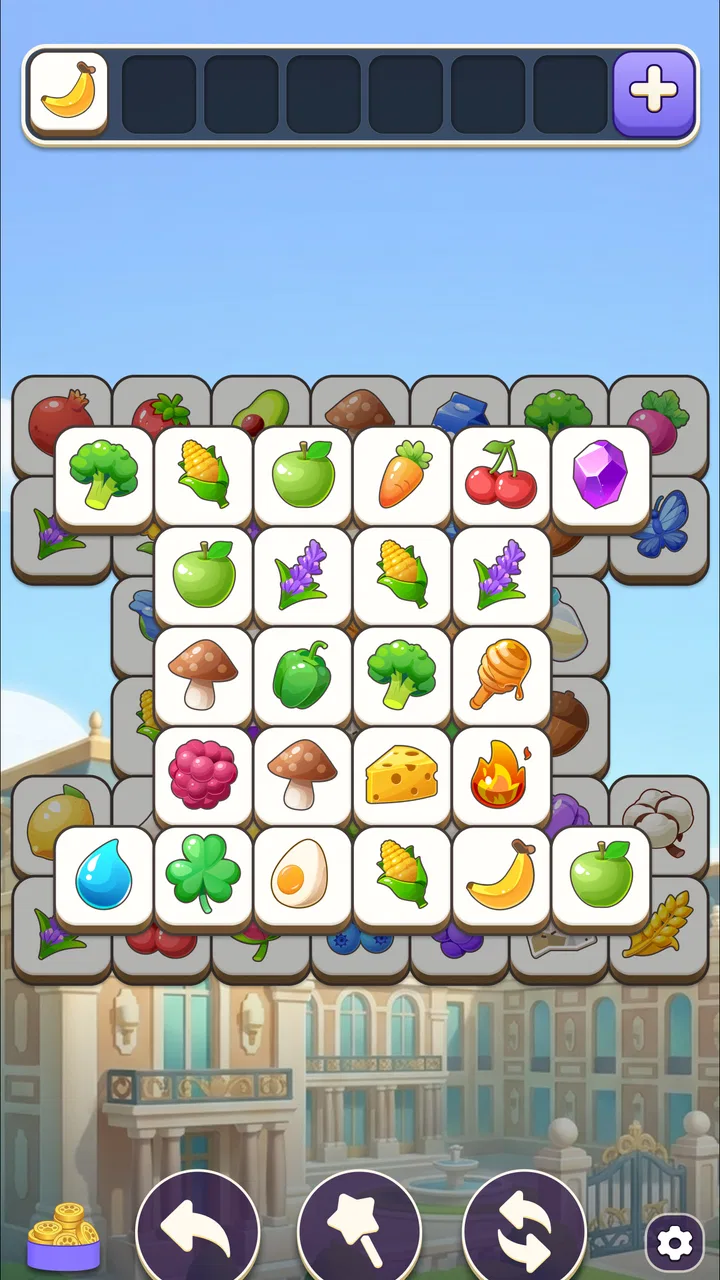
The opening stretch works because the immediate objective is obvious. I am not asked to memorize a long tutorial or understand several resources before making a move. I look at the tiles, identify useful matches, and try to clear the board efficiently. That clarity matters in a mobile puzzle game: the first few sessions should feel welcoming, not like homework.
The broader travel theme gives those early puzzles a little more purpose. Instead of treating every board as a disposable round, I have the impression that my solving contributes to a continuing route. That framing is useful because it creates a gentle reason to play one more puzzle. I am not chasing a dramatic plot; I am following the next small piece of progress.
In my experience, the best early goal is not simply finishing. It is learning how to read the board before tapping. Matching quickly can work when the layout is generous, but pausing to notice blocked or less obvious options becomes more valuable as the puzzle asks for better planning. That makes the first part of the game a quiet lesson in observation rather than a blunt test of speed.
A practical tip is to avoid treating every visible match as equally urgent. I found it more useful to scan the whole arrangement first, especially when several tiles appear to compete for the same space. A quick mental plan can prevent the frustrating situation where an easy match is made immediately but a more important pair becomes awkward afterward. This is one of the small habits that separates relaxed progress from repeatedly undoing my own choices.
Why the early loop feels approachable
The game’s strongest early quality is its low barrier to entry. The rules are familiar enough that most puzzle players can begin naturally, while the travel structure gives the activity a sense of direction. I do not need a large uninterrupted session to enjoy it. A single short visit can still feel complete because the board itself provides a clear beginning and ending.
That makes it especially comfortable for people who prefer calm games over reflex-heavy alternatives. A match-three game may ask me to react quickly to changing opportunities, while a word puzzle may depend heavily on vocabulary. Tile Travels takes a different route: it rewards visual attention and deliberate choices. If those are the kinds of decisions I enjoy, the game feels more inviting than a title built around timers or rapid tapping.
There is also a useful distinction between accessibility and simplicity. The controls are easy to grasp, but the quality of a solution can still depend on the order in which I make matches. That gives the early boards enough substance to teach a habit of planning without making the experience intimidating.
Reading progress through unlocks and pacing
Progress in a game like this needs to be visible even when individual puzzles are quiet. I look for signs that my effort is moving somewhere: a new point on the journey, another board becoming available, or a clearer sense that I am advancing through a sequence. Tile Travels benefits from presenting the puzzle session as part of a larger route, because the travel idea turns small completions into a connected rhythm.
The important point is that the game does not need a complicated progression system to make progress satisfying. For me, the combination of solved boards and the promise of the next destination is enough to create momentum. The reward is modest, but that is appropriate for a relaxing puzzle. I am not expecting a role-playing game’s equipment tree or a competitive ladder; I want a visible reason to continue.
This is also where pacing becomes more important than novelty. If every board were equally easy, the journey would feel like a checklist. If every board demanded intense concentration, the relaxing tone would disappear. The most effective rhythm is a mixture of comfortable wins and moments that make me reconsider my first plan. That variation gives the route a pulse without turning it into a stressful test.
I recommend using the game in small planned sessions rather than forcing a long marathon. After several boards, I can start making automatic decisions and overlook patterns that would be obvious with a fresh look. Taking a break is not just good for comfort; it can improve solving quality. Returning later often makes the board feel less cluttered because I am no longer committed to the first sequence I imagined.
What the long-term structure does well
The large amount of puzzle content suggested by the game’s store positioning is valuable for players who want a dependable casual activity. It means I can return repeatedly without immediately reaching the end of the experience. The developer, PlaySimple Games, has built the game around that ongoing relationship: solve, advance, and come back when I want another calm challenge.
At the same time, a long journey can expose repetition more clearly. The longer I play, the more I notice whether the board layouts continue to make me think or merely ask me to repeat the same familiar motion. That is the central trade-off here. The progression gives the game staying power, but the underlying interaction must remain enjoyable enough to support many sessions.
For me, the travel framing helps with that trade-off because it gives context to otherwise small victories. I enjoy seeing a sequence develop, but I would not rely on the journey alone if I disliked tile matching. The structure strengthens the core; it does not replace it.
Difficulty: gentle learning, then more deliberate choices
The difficulty curve is most successful when it lets me feel capable before asking me to be careful. Early puzzles are approachable, which is important for players who are new to this style. As I become comfortable, the challenge comes less from understanding the rules and more from managing the available matches in the right order.
That kind of difficulty is a good fit for a relaxing puzzle because it challenges attention rather than reflexes. I can slow down, inspect the board, and decide whether a match is useful now or better saved for later. The tension is mild, but it is real. A careless choice can make the remaining arrangement harder to read, while a thoughtful sequence can open the board naturally.
One of the more useful ways to approach a difficult board is to identify the match that reduces visual clutter rather than the one that looks most attractive immediately. Clearing an isolated group or opening a congested area can reveal better options. This is not a flashy advanced technique, but it changes how I play: I stop chasing the first available match and start considering what the board will look like after each move.
Another practical habit is to preserve flexibility. When two possible matches seem equally safe, I prefer the move that leaves more visible choices afterward. That gives me room to recover if the next arrangement is less favorable than expected. It also makes the game feel more like a puzzle and less like a sequence of taps.
Players who want punishing logic problems should keep their expectations realistic. The appeal is not extreme complexity. The game’s challenge is designed to sit inside a comfortable mobile routine, so it may not replace a dedicated brain-training title or a demanding traditional puzzle game. Its better comparison is with other casual matching games where the satisfaction comes from steady improvement and completion.
Where retention helps and where it can become pressure
The game encourages return visits through its continuing journey and the availability of many puzzles. That is a healthy form of retention when I am choosing to play because I want a peaceful activity. The next board provides a simple invitation, and the travel theme makes the invitation feel more meaningful than an endless pile of unrelated levels.
However, ongoing puzzle games can also create pressure if the player begins to treat progress as an obligation. I found it better to view the route as an optional routine rather than a task list. The experience is most enjoyable when I stop after a satisfying board instead of continuing only to maintain momentum. This is an important distinction for anyone who wants relaxation rather than another source of daily pressure.
The free price makes trying the game straightforward, but optional purchases range from $1.99 to $49.99 per item. That broad range is worth keeping in mind before settling into a long-term habit. I would approach any in-game spending deliberately, especially if I am playing frequently. The core decision is simple: enjoy the free experience first, then decide whether any purchase genuinely improves my way of playing rather than buying automatically out of impatience.
This is also a point where Tile Travels may not suit everyone. Players who dislike in-app purchases on principle, or who prefer a one-time purchase with no ongoing prompts, may be happier with a premium puzzle alternative. Likewise, people who are highly sensitive to progression pressure should decide in advance how long they want to play and whether they are comfortable ignoring optional offers.
A realistic everyday session
Imagine I have ten quiet minutes before leaving home. I can open the game, complete a board, and stop without needing to remember a complicated narrative or coordinate with other players. If a puzzle takes more concentration than expected, I can simply leave it for later rather than turning the break into a stressful race.
In the evening, the same structure works differently. I might play a few boards while winding down, using the visual search as a gentle way to focus on one task. The important advantage is control over the session length. Tile Travels does not need to become the main event of my day to feel worthwhile; it can occupy a small gap without demanding a large commitment.
For travel itself, the game is appealing because the individual puzzle format suits interrupted attention. I can play when I have a stable moment and stop when I need to move on. I would still avoid assuming that every session will be equally relaxing, since a difficult board can make me want to continue until I solve it. Setting a stopping point before starting helps preserve the casual nature.
How it compares with familiar puzzle alternatives
Compared with match-three games, Tile Travels feels less dependent on rapid reactions and more focused on examining the arrangement. Match-three titles often create excitement through cascading combinations and quick opportunities. Here, my satisfaction comes from spotting a sensible sequence and watching the board become manageable. Someone who enjoys bursts of color and speed may prefer the match-three format, while someone who likes a slower visual puzzle may feel more at home here.
Compared with word games, it removes the need to search for vocabulary or rely on language knowledge. That makes it a useful alternative when I want a puzzle that is visually driven. It is also easier to share with a wider range of players because the basic task does not depend on fluency or spelling ability. On the other hand, word-game fans who enjoy learning vocabulary may find the tile focus less mentally varied.
Compared with pure solitaire-style games, the journey theme gives Tile Travels a stronger sense of destination. Solitaire can be excellent for repetition and quiet concentration, but its boards may feel self-contained. Here, the route adds a reason to connect one completed puzzle to the next. The trade-off is that players who want completely self-directed sessions may prefer a format with less progression framing.
The game’s best audience is therefore quite specific: people who like casual visual matching, appreciate a gentle sense of travel, and want a large supply of short puzzles. It is less suitable for anyone seeking a rich story, a social competition, a fast arcade challenge, or a single tightly authored puzzle campaign.
Practical details before installing
Tile Travels is free to install and has an average rating of 4.9 from around two thousand ratings, with over 10K installs. Those figures suggest that its approachable format is resonating with the people who have tried it, although a high average rating should not be treated as proof that every puzzle style will suit every player.
The current version is 1.576.0, and it requires Android 8.0 or later. That makes the compatibility question fairly simple for users with a reasonably recent Android device, but anyone using an older phone should check the operating-system requirement before planning around the game. The title is listed for Everyone, so its presentation is aimed at broad, family-friendly use.
Because the game is free with in-app purchases, I would make the first decision based on the opening puzzle loop rather than on the promise of a long journey. Play enough to decide whether the matching itself feels satisfying. If the board-reading process already feels repetitive, additional destinations are unlikely to solve that problem. If the core feels good, the continuing route can provide a pleasant reason to return.
One final tip is to judge the game by the kind of attention it asks from you. It is not passive entertainment, but it is also not an intense concentration workout. The sweet spot is a short period of calm observation. Playing while distracted may make the boards feel more frustrating than they really are, while playing with a little patience reveals the planning element that gives the game its character.
My verdict on the progression
After looking at its goals, pacing, and long-term pull, I see Tile Travels as a well-targeted casual puzzle rather than a universal recommendation. Its early objectives are clear, its travel-based progress gives completed boards a sense of connection, and its difficulty works best when I slow down and think about the next few moves. The journey is not dramatic, but it is effective at making small victories feel worthwhile.
The main limitation is also straightforward: the experience depends heavily on whether I enjoy the central matching routine. The progression can encourage me to continue, but it cannot hide repetition forever. The optional purchase structure may also be uncomfortable for players who want a completely fixed-price experience. Those are not deal-breakers for me, but they are genuine reasons to choose another puzzle style.
I would recommend it to a friend who wants an easy-to-start game for short breaks, prefers visual problem-solving to wordplay, and likes having a destination beyond the current board. I would skip it in favor of a deeper logic game if I wanted complex systems, and I would choose a faster alternative if I wanted constant reaction and spectacle.
My progression verdict is positive: the goals and pacing sustain play without making the journey feel like a chore, provided the player enjoys calm tile matching. PlaySimple Games has kept the focus clear, and that focus is exactly why the game works. It is a comfortable companion for spare moments, with enough planning to stay engaging and enough structure to make another puzzle feel inviting.
FAQs for Tile Travels
01What is Tile Travels and how does the game work?
Tile Travels is a casual tile-matching puzzle game built around clearing boards and progressing through travel-themed levels. You generally match identical tiles, manage the available spaces, and complete each stage before running out of moves or options. The presentation is easy to understand, making it suitable for short sessions, although later puzzles require more planning than the opening levels suggest.
02Is Tile Travels free to download and play?
Tile Travels can generally be downloaded and played without an upfront purchase, but the free version may include advertisements and optional in-app purchases. These purchases can provide boosters, extra lives, coins, or other conveniences, depending on the current version. You can usually progress without spending money, though patience may be necessary when a difficult level limits your available attempts.
03Can I play Tile Travels offline?
Many of the core puzzle levels may remain accessible without a constant internet connection, which is useful when traveling or using limited mobile data. However, online access may still be needed for advertisements, cloud saving, updates, special events, rewards, or purchases. Because offline behavior can change between versions and devices, it is best to test the game after installation before relying on it during a trip.
04Does Tile Travels contain advertisements or in-app purchases?
Yes, players should expect Tile Travels to use some form of advertising and optional monetization. Ads may appear between levels or be offered in exchange for extra rewards, while purchases can help obtain boosters, currency, or additional chances. The game can still be enjoyed without buying anything, but users who dislike frequent interruptions should review the store listing and device purchase settings before downloading.
05Is Tile Travels suitable for children and casual players?
Tile Travels is designed to be approachable, with simple matching mechanics, colorful visuals, and progressively more challenging puzzles. It can be a good choice for casual players who enjoy relaxing games and short sessions. Parents should nevertheless check the current age rating, advertising content, privacy information, and in-app purchase options, since these details may vary by platform, region, and future updates.
Pros
- Relaxing tile-matching gameplay suitable for short sessions.
- Travel-themed levels provide a pleasant visual change of scenery.
- Simple controls make it accessible for casual players.
- Progression system gives goals beyond completing individual puzzles.
- Works well for players who enjoy offline-friendly puzzle experiences.
Cons
- Later puzzles can feel repetitive after extended play.
- Some levels may depend heavily on finding the right tile order.
- Frequent ads may interrupt the flow for non-paying players.
- Limited strategic depth compared with more complex puzzle games.
- Extra lives or boosters can encourage in-app purchases.

Tile Travels
Gallery